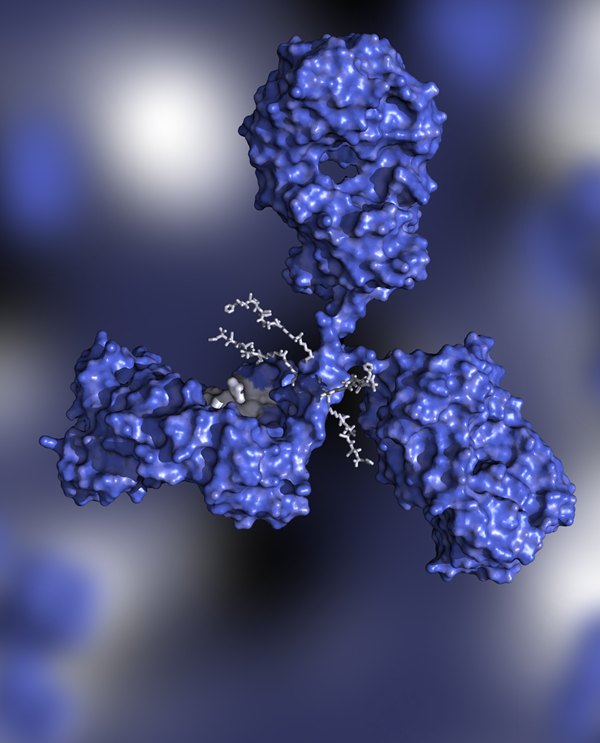
“For antibody-drug conjugates (ADCs), it is critical to tightly control reaction stoichiometry, buffer composition, temperature, and reaction time. Hold times during antibody modification and conjugation should also be assessed, as delays in processing the antibody-linker intermediate may alter reaction stoichiometry or increase product-related impurities that complicate downstream purification.
“Tangential flow filtration (TFF) is widely used with minimal yield loss to remove small-molecule stabilizers from antibody storage buffers prior to conjugation, as well as for ADC concentration, buffer exchange, and clearance of process-related impurities such as free payload, linker, and organic solvents. Compared to chromatography, TFF is typically more scalable, cost-effective, and higher yielding, largely due to the significant size difference between the ADC (~150 kDa) and payload (<2 kDa).
“In some cases, carbon filtration is applied after TFF as an orthogonal step to remove residual linker-payload species. Depending on antibody subtype, conjugation method, and payload, product-related impurities may include aggregates and undesired isoforms. In these situations, size exclusion chromatography or hydrophobic interaction chromatography may be necessary, although they can reduce yield and increase manufacturing cost.
“As novel conjugation technology evolves using bispecific mAbs, Fc-fusion proteins, and chemical site-specific conjugation, traditional TFF systems will be sufficient for purification alone or in combination with chromatographic separation techniques to deliver homogeneous ADCs with uniform drug-to-antibody ratios.”
Thomas Rohrer, Veranova’s VP of Bioconjugation, spoke to Genetic Engineering & Biotechnology News (GEN) discussing techniques for enhancing purity across biomanufacturing operations.
Read GEN Article