Solving Customer Challenges: Pharmorphix Fixes

This content is password-protected. To view it, please enter the password below.

Encountering challenges with your API, such as poor solubility, physical instability, difficult filtration or variable particle size? Pharmorphix’s Solid Form and Particle Engineering team supports early drug development to identify and mitigate developability risks before they impact timelines and downstream manufacturing.

Explore a selection of ‘Pharmorphix Fixes’ delivered by our team to help address customers’ early development challenges:

How can intrinsic dissolution rate studies help me choose the best salt for further development?

What do you do on the rare occasion, that all of your salts are displaying desirable solid form properties, and you just can’t decide on the best option to carry forward for further development?

We would run small-scale IDR (Intrinsic Dissolution Rate) to compare their performance.

One major benefit of the analytical and solid forms teams working so closely with each other at Veranova, means that any data can be evaluated in parallel. In this particular case, all of the hits we found showed improvements over the supplied material using early characterization techniques. However, on submission for IDR, the analytical team found that there was an outright front-runner in the sulfate salt, that demonstrated a huge uplift in dissolution– so much so we saw complete dissolution.

Through this data we were also able to eliminate another candidate that was shown to convert to amorphous under pressure, during preparation of the discs. Providing this information is critical to ensure our clients are aware of any potential issues that could crop up during scale up and manufacture.

This project highlighted to us how critical it is to ensure we understand the input material vs the output material in aiding us to better interpret all workflows.

Single sector dissolution testing in SGF media

Can I use less commonly used counterions to increase the solubility of my API salt?

One of the most simple and cost-effective ways to improve aqueous solubility and enhance bioavailability for ionizable drugs is salt formation. Making hydrocholoride salts is often a solution to making more soluble drugs, but what if a hydrochloride salt or other commonly used counterions do not show the desired solubility or stability?

Thanks to our expertise of over 20 years in salt and cocrystal screening, we rationally select counterion for our screens. By thinking outside the box and including less common counterions, we were able to find a hemi-edisylate salt, more stable, more soluble with a significantly greater dissolution values (over 10 time!) than the hydrochloride salt and the free form.

Dissolution comparison of edaravone forms

Watch our webinar: Effective Techniques for Enhancing Solubility: New Solid Forms of Edaravone to learn more.

How can crystallization help with the purification of my peptide?

Peptides are typically isolated by lyophilisation and, as such, are usually amorphous. Often impurities/solvent can be entrapped during this process. As a route to isolation of peptides, crystallization methods are employed at Veranova.

Crystallization of peptides as salts or free forms, has advantages such as form control, improved filterability and impurity purging. Full structure determination can be performed. Read our Expert Insight: Harnessing the power of single crystal X-ray diffraction | Veranova

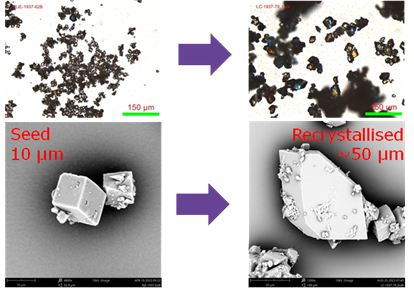
Recently we performed internal studies on a well-known glycopeptide antibiotic, vancomycin. Vancomycin HCl was converted to the free form by ion-exchange and crystallized as a phosphate salt as block crystals, but as a fine milky suspension. To improve properties it was recrystallized, with seed to template, on a Mettler Toledo EasyMax 402 vessel and monitored in-situ using a BlazeMetrics 900 probe. The process allowed crystal growth, improved filtration, and uplifted the purity by HPLC (ca. 93% pharma grade to ca. 98%).

Crystal images of vancomycin

PLM and SEM images of vancomycin phosphate; seed (fine) and recrystallized salt (larger blocks)

For peptides and new chemical modalities (NCMs) like PROTACs, we offer solid state services such as polymorph, salt/cocrystal screening and crystallization development on final products as well as chemical development for intermediates.

Learn more by watching our webinar: Application of Solid Form and Crystallization Science in Purification Strategies of New Chemical Modalities (NCMs) including Peptides and PROTACs. | Veranova

My process results in a polymorph mixture, how can I determine the most stable form to take forward?

A client approached Pharmorphix with a legacy process which resulted in the isolation of a physical mixture of two anhydrous polymorphs. The relative stability of these forms was unknown and he desired form for further development was not defined.

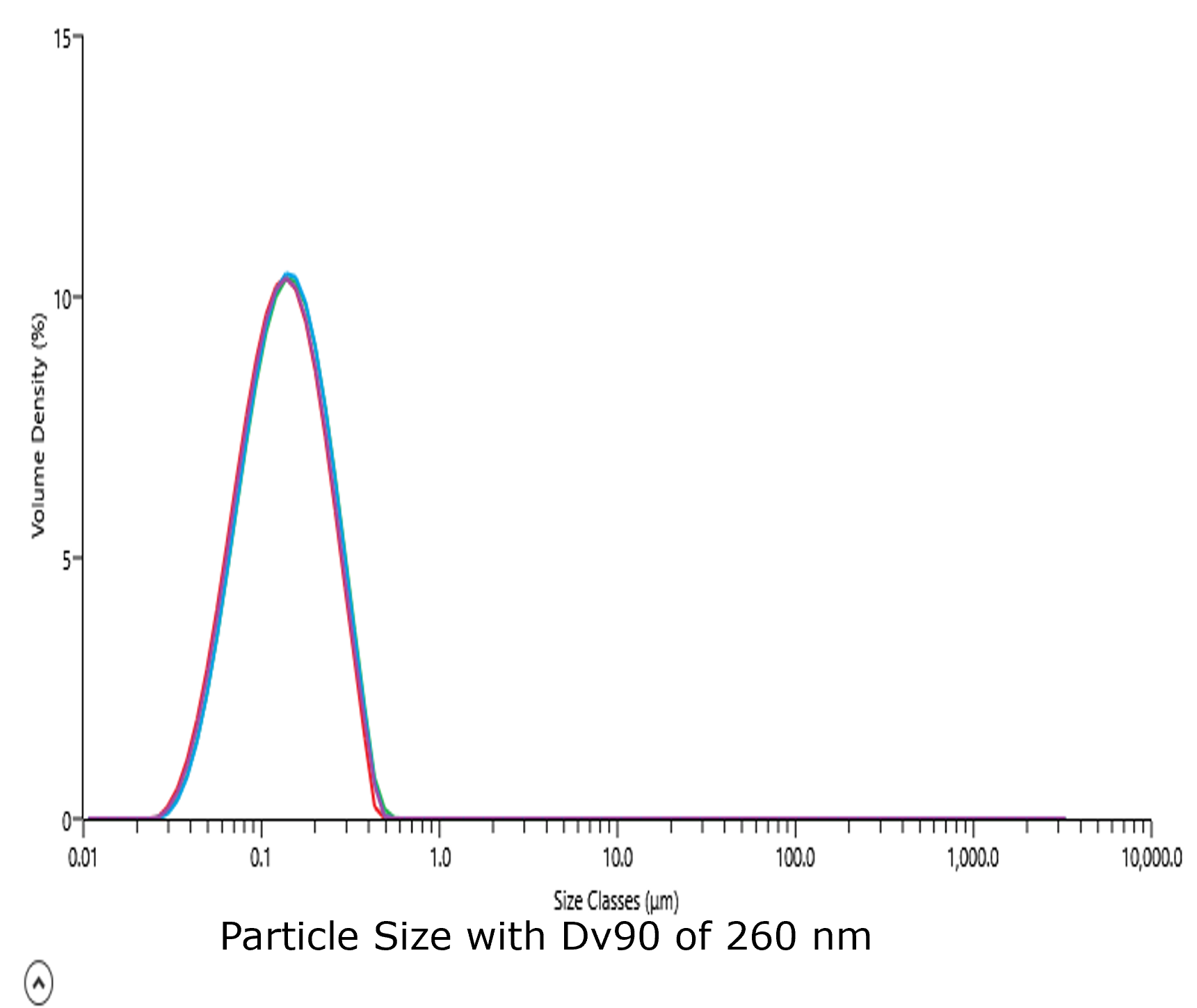
Due to formulation and downstream processing requirements, a narrow particle size distribution with Dv50 of ca. 20 µm was also desired from the process design.

The Pharmorphix team performed competitive slurry experiments to successfully identify the more stable of the two anhydrous forms which was selected as the form for further development.

Solubility measurements and process modelling enabled design of a combined cooling/anti-solvent addition process, incorporating seeding to establish solid form control. A firm understanding of the process was gained via PAT tools allowing for efficient optimization.

A terminal wet milling step was introduced into the process which allowed a 4-fold reduction in particle size. The milling process was optimised by tracking particle breakage in-line with PAT. The final demonstration batch was carried out successfully in a 10L vessel, at 0.5 Kg scale.

As a result, we were able to recommend the most stable form of the drug substance to take forward, with a robust crystallization process fine-tuned to reproducibly produce the desired form and particle characteristics.

Could nanosuspension technology improve the solubility of my compound?

Our solid form team faced a tough challenge with a poorly soluble compound. Traditional methods (salt formation, excipient/surfactant screening etc.) couldn’t solve the solubility issues of an API in development, so we had to get creative!

Our milling experts went nano, developing a stable nanosuspension that overcame slow dissolution challenges allowing the molecules to progress.

How can pKa data identify stability issues early on?

The Veranova team collect pKa data as part of the salt screening process. However, in some cases, this can uncover some unexpected results.

As part of salt screening, we are in the habit of collecting measured pKa data in-house. This allows our screening services to be more efficient, by reducing the number of counter ions to screen against and targeting those we know are most likely to result in successful salt formation.

These are typically conducted as part of batch characterization before any screening starts. However, running these types of assays can help provide other valuable insights into compound characteristics.

In this case, we observed some conflicting UV data for an ampholyte, and saw disagreement between high to low and low to high experiments. The differences we are seeing in UV here indicate there is something happening to the compound in solution, later confirmed as degradation (by HPLC), during analysis. Knowing the very principal of the technique is to titrate between the extremes of pH, this was suspected to be the root cause of the issue.

This didn’t prevent us from collecting data however, samples were simply run in single titrations and in a different direction (high to low pH, rather than low to high where we were seeing most change) which resulted in lovely pKa data, and more useful information for the client on the stability of their compound.
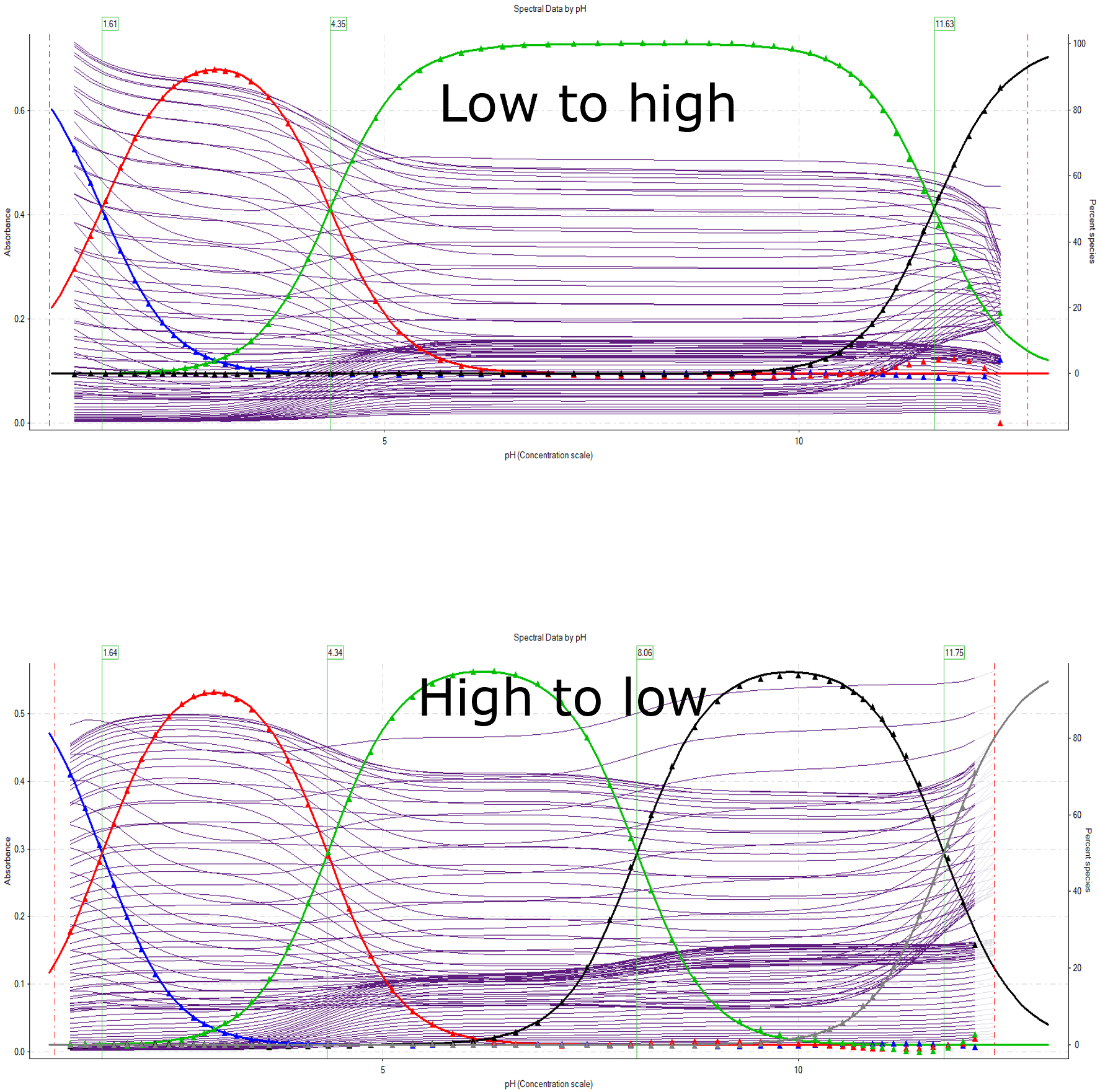
 

UV titration graphs

UV titrations from different directions showing 4 pKas when titrating from High to low, and 3 pKas from low to high (where the compound is sensitive to degradation). Mild precipitate also seen Low to high.
 

My dihydrate batches show inconsistencies. How can crystallization studies help?

When a customer asked for assistance with solid form and particle size control of their dihydate, we conducted an in-depth crystallization study to identify and optimize a new anti-solvent process.

The targeted solid form was a dihydrate, but a stable anhydrate was also known.

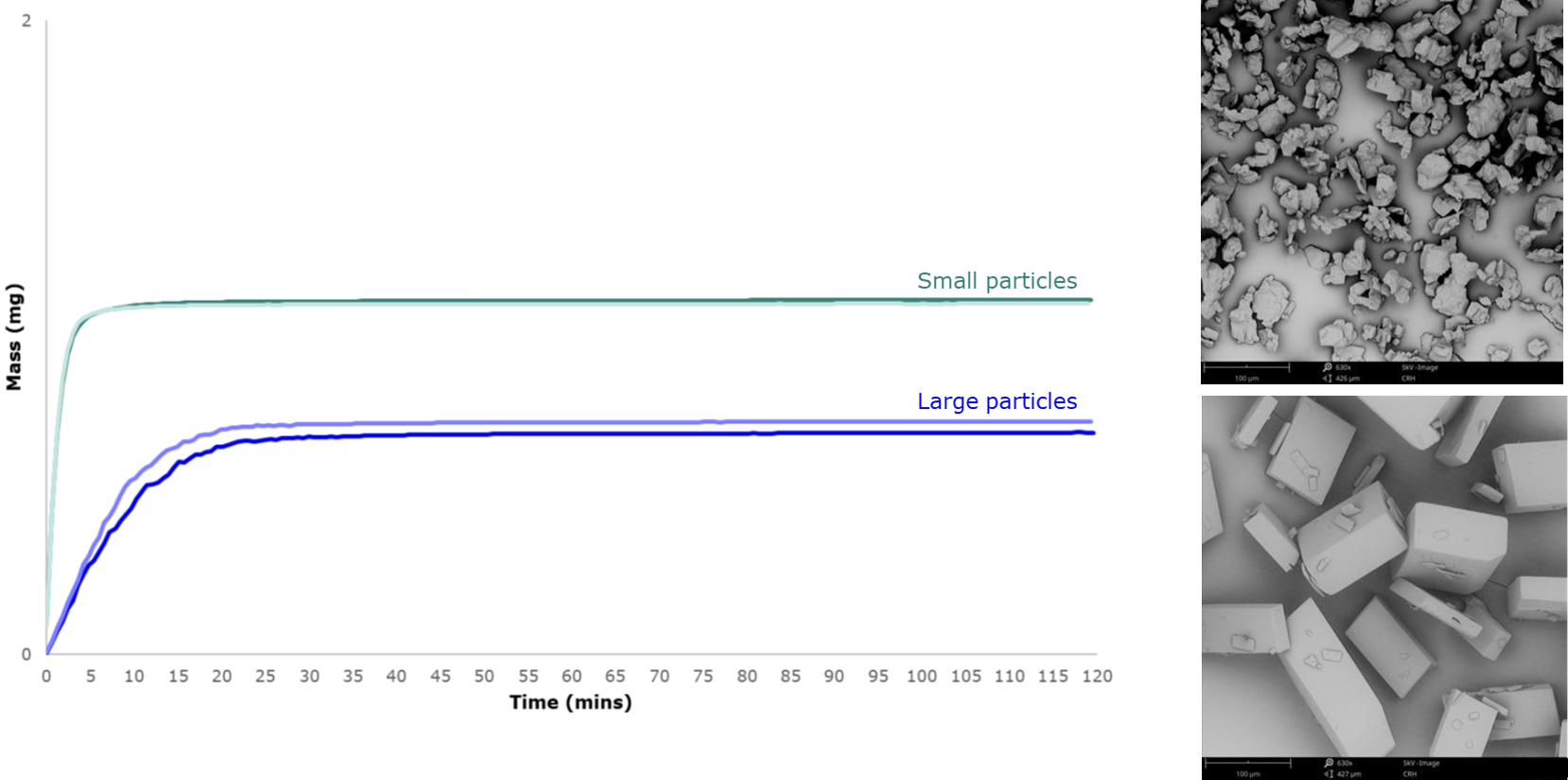
Intrinsic dissolution rate (IDR) indicated that the anhydrous form had a higher dissolution rate than the desired dihydrate (2-fold). However, particle size control was found to be key to improving the dissolution rate of the desired dihydrate – free powder dissolution experiments highlighting a 12-fold increase could be accessed with particle sizes < 60 μm vs. 100 – 200 μm.

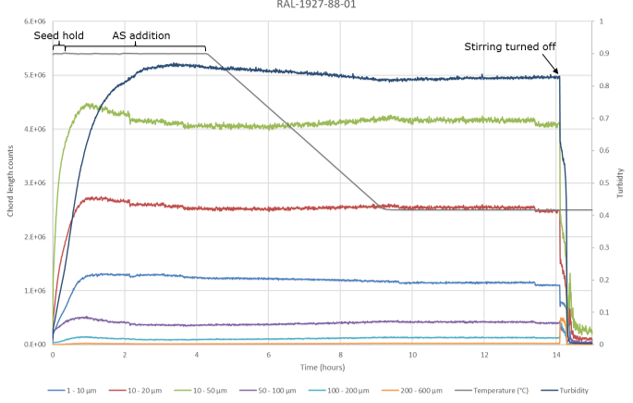
An in-depth crystallization study was conducted with the use of PAT tools, Dynochem modelling and design of experiments. A new and enhanced anti-solvent process was identified and optimized crystallization parameters allowed the dihydrate to be robustly accessed in good yield (< 95 %) with particle size (D90) < 60 µm. The designed process was growth-controlled allowing for the resultant particle size to be tuned by the seed size and loading for further particle size optimization.

Blaze chord length statistics and turbidity for the growth-controlled anti-solvent crystallization to access the dihydrate


Dissolution profiles showing an increased dissolution rate in the smaller size particles.


How can I understand the stability of different enantiotropic forms of my compound?

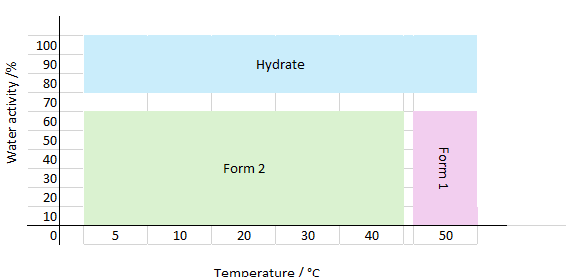
A customer provided us with a compound with several anhydrous forms and a hydrate. In order to gain more confidence into the order of stability of the different forms, a comprehensive set of competitive slurries was designed including exploring increasing water activity systems.

The hydrate was stable at water activities >0.8. Form 1 was stable at 50 °C and above and Form 2 was stable at 40 °C and below. Single crystal structure determination highlighted very similar structures with differences only in an aliphatic chain of the molecule, which resulted in different crystal packing and easy interconversion.

With the transition temperature between the enantiotropic Form 1 and 2 being within standard process temperatures, it was recommended to develop a crystallization method to consistently produce Form 2.

Graph to show water activity against temperature

Can residual solvent analysis help make my process more sustainable?

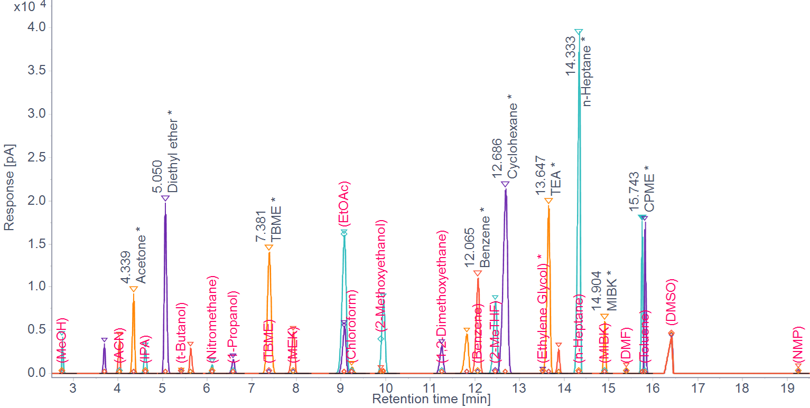
During the development of APIs, it’s essential to monitor residual solvent levels for acceptable amounts guided by regulators such as the ICH. Although helium is a popular carrier gas for gas chromatography, it’s increasingly difficult to source and a switch to a more sustainable hydrogen carrier gas was called for.

Over 30 common solvents were analysed by our in-house method development experts to develop an improved generic hydrogen-based method, with short run time and injection flexibility, giving Veranova a starting point advantage in the quantification of low-level solvents in samples.


Separation of 30 common solvents by HS-GC using Hydrogen as a carrier gas

My compound has a difficult acicular morphology. Can you optimize my crystallization process?

In depth solubility and crystallization studies identified a solvent system with favorable kinetics and subsequently improved particle morphology.

When a customer came to us with an API, the late stage meant that there was reduced flexibility when it came to re-designing the process.

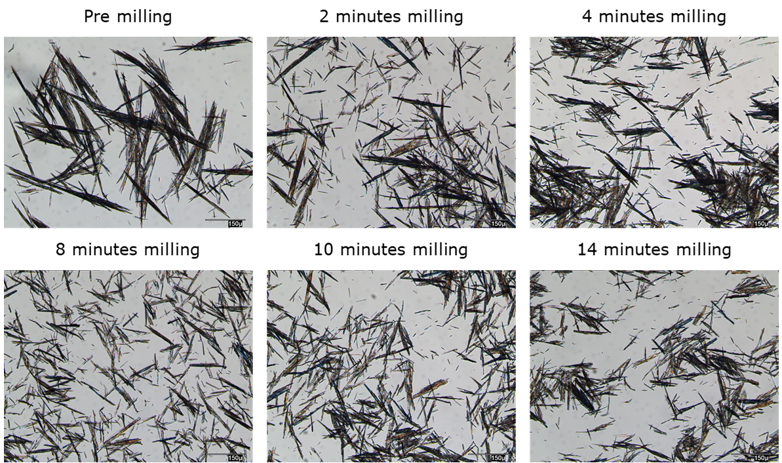
Using a design of experiments approach in combination with PAT, our crystallization team developed an optimized process using temperature cycling. However, this alone could not lead to the desired aspect ratio and bulk density and the incorporation of wet-milling was investigated.

An optimized procedure was developed and a demo 2 L batch incorporating a terminal in-situ wet milling step allowed for particles of a desirable morphology to be obtained with the targeted bulk density and low residual solvent incorporation below the ICH limit.

Microscope images of milled particles

Why am I experiencing batch-to-batch variation during scale-up?

A customer approached us with batch‑to‑batch variability during non‑GMP scale‑up. Initial XRPD and thermal analyses revealed the presence of multiple solid forms, prompting a comprehensive polymorphism screen.

Five polymorphs in total were identified. Characterization and relative stability experimental data demonstrated that Form 2 is the thermodynamically stable form and therefore recommended for development

Crystals were grown and the single crystal structure was determined in-house, providing a definitive XRPD fingerprint for this form confirming some batches supplied were mixtures of forms.

A seeded crystallization method was developed using acetic acid: water to identify a robust method for consistently obtaining the desired Form 2 and avoiding mixtures or undesired forms and successfully tech-transferred to the client.

Will reducing impurities help solve my batch-to-batch dissolution variability?

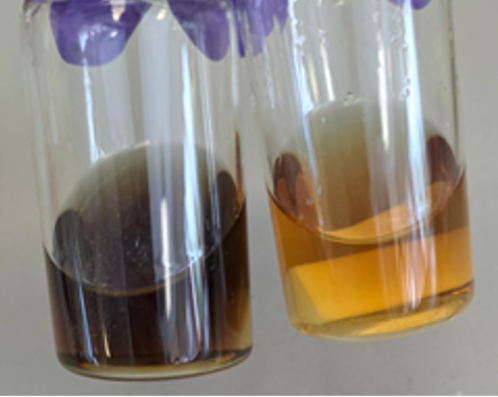
When working on crystallization development targeting a desired polymorph, batch-to-batch impurity profile variability meant that the batches had different solubilities, and that the target form could not be obtained consistently from different batches.

The Veranova team found an additive which precipitated out the major impurity prior to a polish filtration step, using UHPLC analysis to monitor the purity profile across all stages and demonstrating no adverse impact on the purity of the API. Careful solubility assessment across batches, antisolvent selection, and optimization of crystallization procedures led to the development of a crystallization process suitable for use regardless of input batch, outputting the desired form.

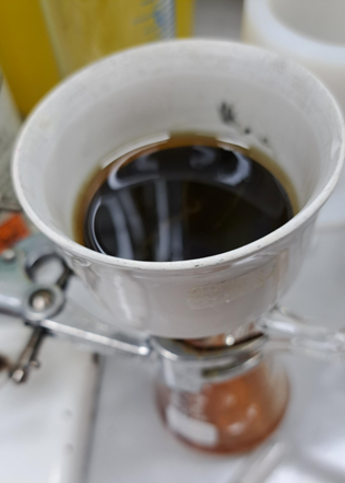
Batch-to-batch variability on dissolution, showing impurity discoloration

Polish filtration to remove precipitated impurity

Final filtration of ‘cleaned’, crystallized product

How can I optimize chain length distribution of an oligonucleotide to assess purification?

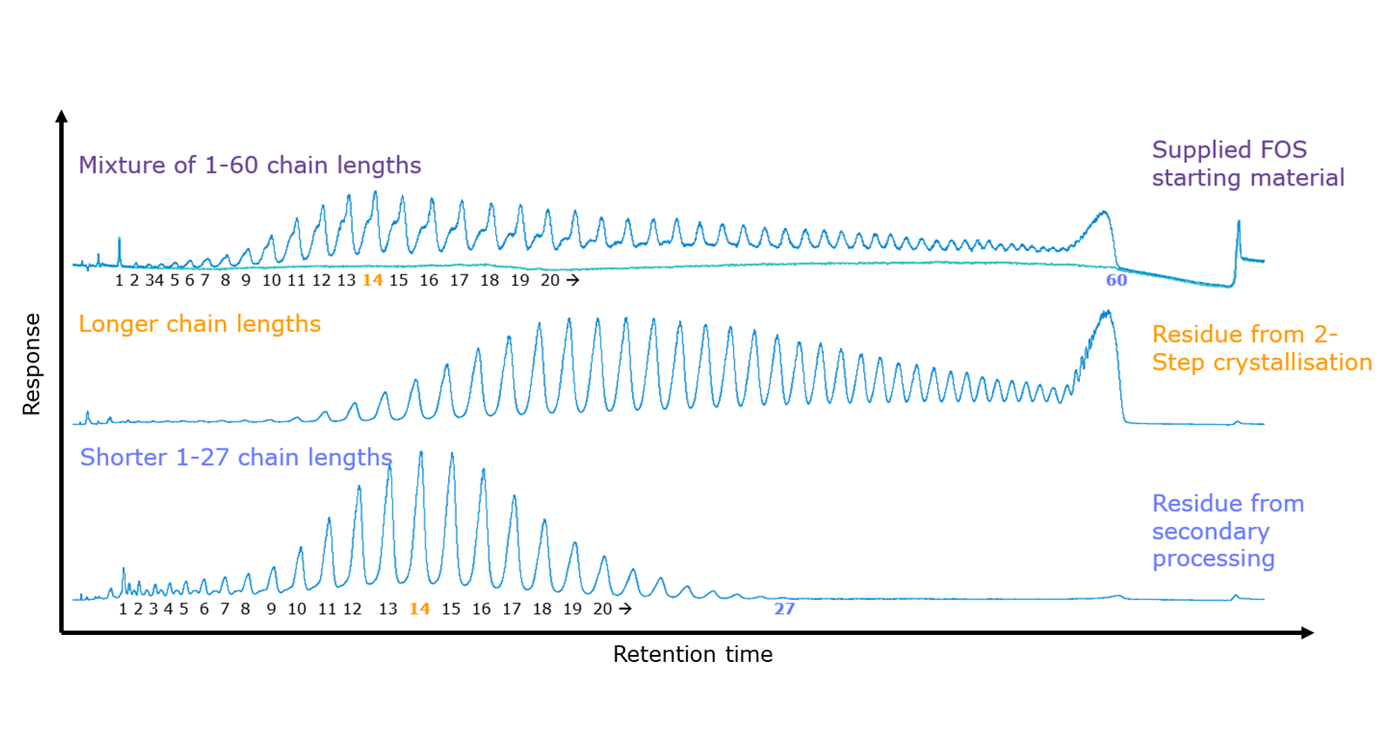
The Veranova team performed a chain length distribution analysis using LC-CAD.

A customer wanted to assess the purification of oligo compounds, such as fructooligosaccharides, by crystallization. The crystallization process ultimately discards longer chains from the sample.

A LC-CAD method was developed, in which each oligomer was resolved between the 1st and 60th chain length. After purification, the chain length distribution of the sample was weighted towards smaller chains, thus demonstrating the successful optimization of chain length distribution by crystallization.

LC-CAD Chromatogram of the supplied fructooligosaccharide (FOS) and products from the 20 g scale up. Each peak represents a degree of polymerization within the oligomer FOS, which is numbered below the relevant chromatograms.


How can I improve the properties of my zwitterion salt?

A customer came to Veranova with a sodium salt zwitterion that was hygroscopic and not easy to prepare.

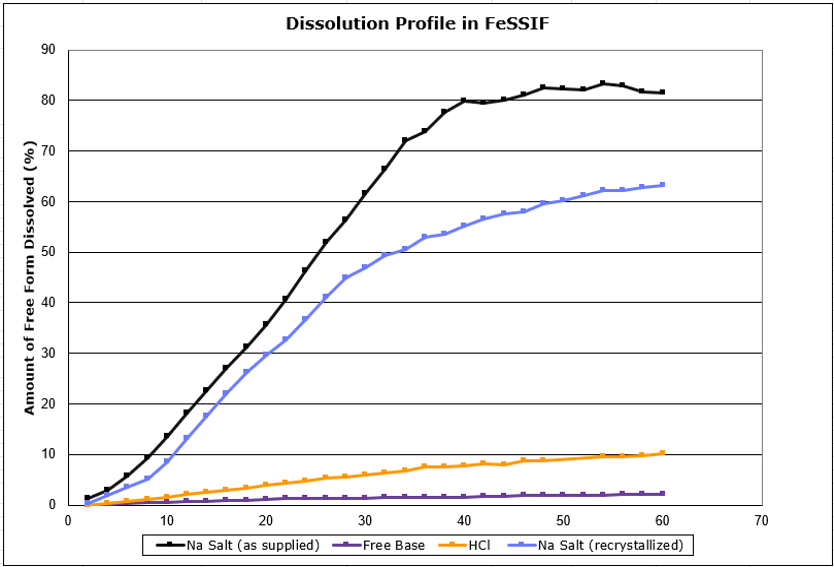
Our experts prepared three salts using acids all of which had optimal solid form properties. However, when they ran the IDR, this showed that the three acidic salts barely dissolved and the sodium salt, albeit having its limitations, showed far superior solubility and dissolution rate. Our recommendation was to perform a polymorphism study and crystallization development in order to improve the properties of the sodium salt.

Dissolution profile

Can micronization by jet milling enhance the physical attributes of an API?

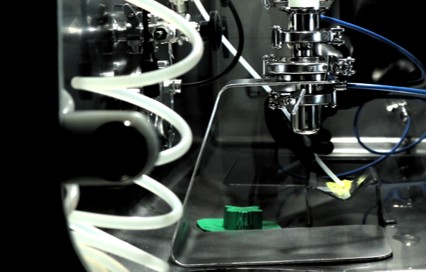
Our particle engineering and milling team was tasked with evaluating micronization via jet milling to enhance the physical attributes of two salt forms of a partner’s lead compound.

Due to the compound’s high potency, the project required advanced containment strategies and leveraged Veranova’s specialised expertise in handling highly potent APIs (HPAPIs), as well as our capabilities in solid form and particle engineering.

Initial scoping experiments identified optimal milling parameters that produced batches with varied particle size distributions and improved handleability for both salts. The selection of a target particle size distribution was guided by solubility measurements performed in-house and solid-state characterization data. Subsequently, larger batches of micronized HPAPI were produced and delivered for use in toxicology, pharmacokinetic, and formulation studies.

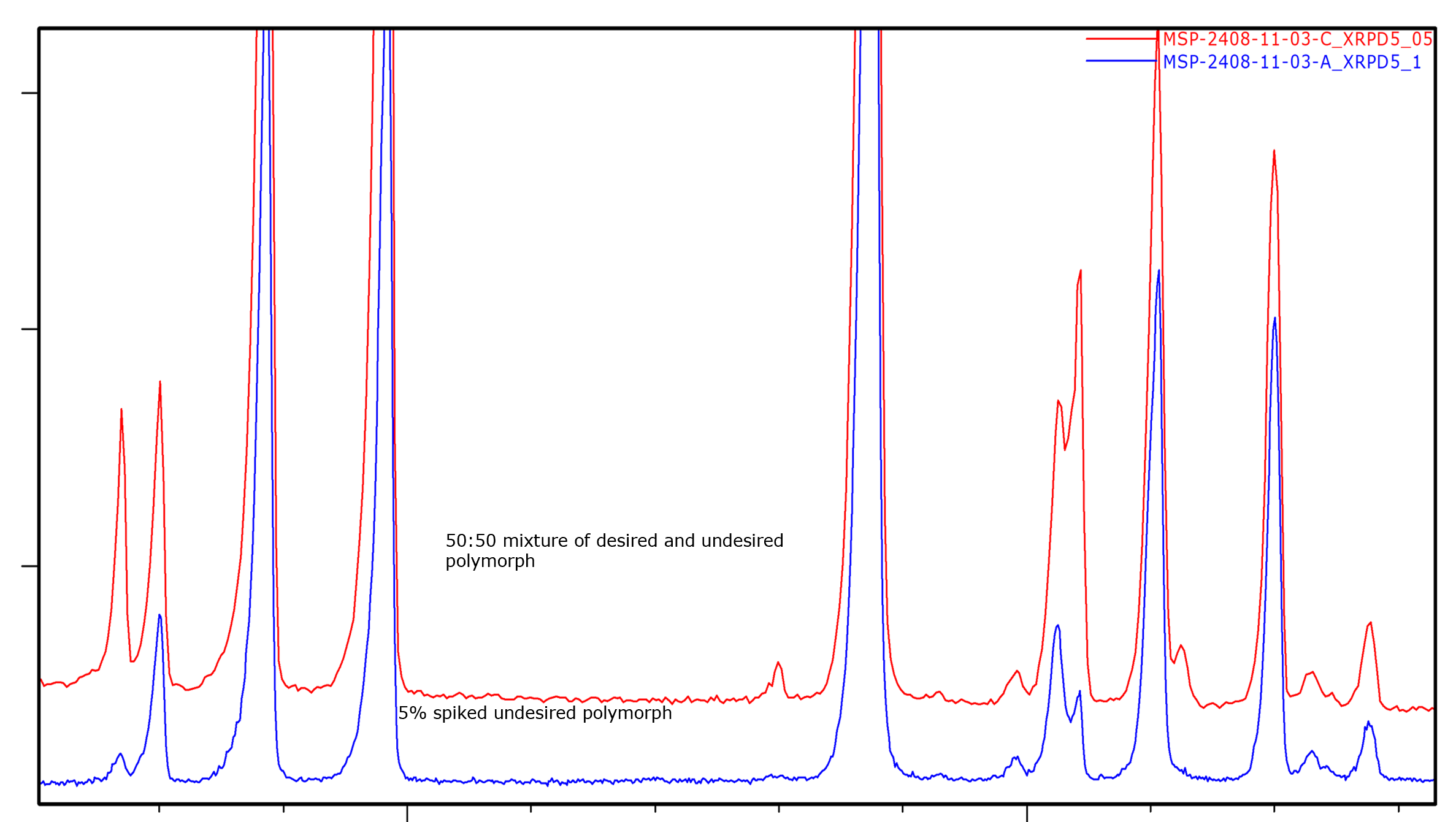
Can you determine the limit of detection of an unwanted polymorph?

Our solid form team was tasked with identifying the limit of detection of an undesired polymorph in a drug product formulation.

Multiple techniques were explored to determine the limit of detection and quantification of the unwanted polymorph including X-ray powder diffraction (XRPD), differential scanning calorimetry (DSC), and Raman spectroscopy.

Initial experiments determined that DSC and XRPD were capable of detecting the unwanted polymorph to around 1% by weight and quantifying to 3% by weight in the drug product formulation.

Further experiments were performed to cover sample to sample variability, ensure reproducibility, and ensure robustness in the range concentration range of interest. The developed detection methods have been used to support regulatory submissions for the drug product formulation.

calibration plot of undesired form in formulation


Graph to show mixture of desired and undesired polymorph


Why is my material showing elevated hygroscopicity that varies across batches?

The Veranova team carried out characterization and cystallization development studies to explore the underlying reasons for the batch-to-batch variability.

A customer provided a batch of material which, although within specifications, showed elevated hygroscopicity. The team prepared a characterization package on both the above batch and a reference material to explore the underlying reasons for this batch-to-batch variability. Even though this revealed several differences, including crystal size and morphology, different heating profiles, and the presence of trace impurities, single crystal structure determination showed identical crystalline forms.

An exploratory crystallization development package was performed. We were able to recrystallize the material to remediate batch-to-batch variability, alongside proposing additional IPC standards for future batch production. This enabled the customer to proceed with their manufacture without significant risk to timelines.

Spot the difference! Microscopy of typical (top) and atypical (bottom) batches:


A new polymorph appears during scale-up? Can you characterize it?

During the transfer and scale‑up of a crystallization process between sites, a novel polymorphic form of the API was identified.

The original process was designed to produce the monohydrate form; however, it was discovered that the newly emerging form was obtained when insufficient water was present in the crystallization solvent system, or when the isolated monohydrate was dried under vacuum, something that had not been seen at the smaller scale.

Comprehensive batch characterization and stability studies, conducted by Pharmorphix, confirmed that this new material was a stable anhydrous form of the compound, which subsequently became the preferred solid form for manufacture. Through close collaboration across sites, a new crystallization process was developed to selectively produce the anhydrous form. This process was then successfully demonstrated to manufacture the anhydrous API at multi‑kilogram scale.

I need to understand the absolute stereochemistry of my API.

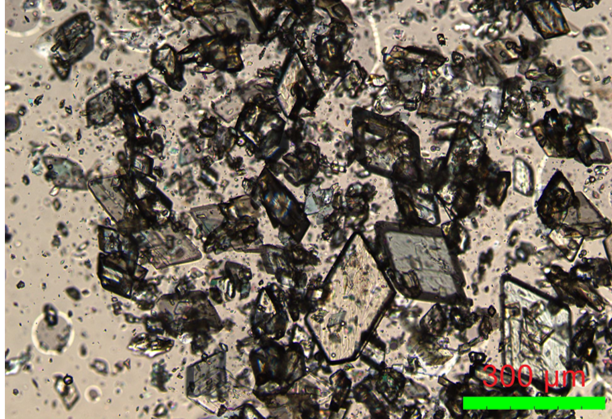
Veranova Cambridge routinely supports customers with complex structural challenges. Recently, we were asked to determine the absolute stereochemistry of an API from just 50 mg of material.

The initial XRPD analysis showed the supplied sample to be amorphous. To overcome this, a series of carefully selected methodical crystallization experiments were undertaken to maximize the likelihood of obtaining suitable single crystals.

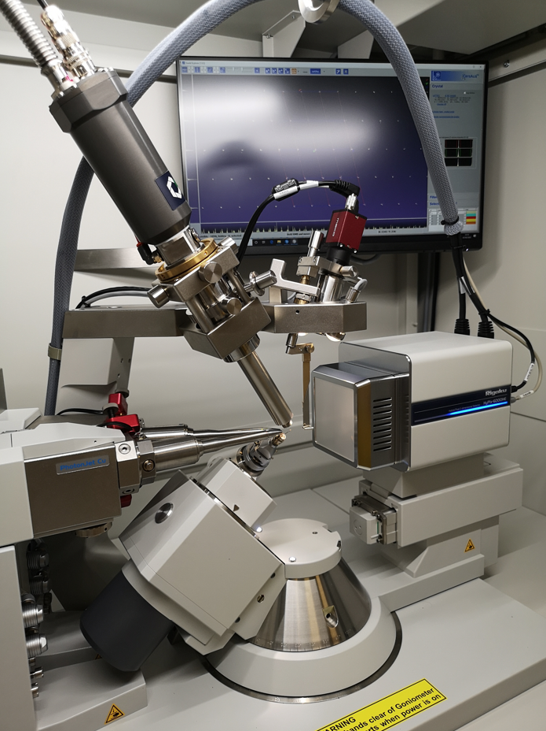
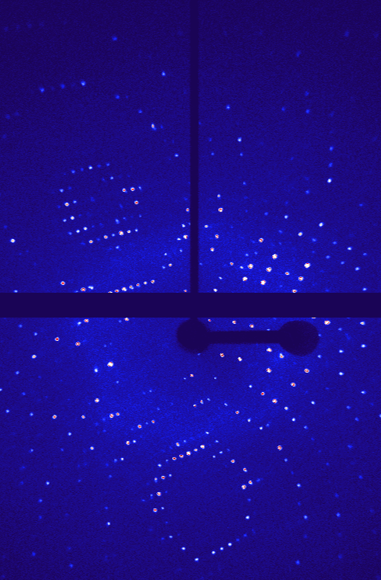
Our team succeeded in growing a small but suitable single crystal. Using Single Crystal X‑ray Diffraction (SCXRD) and relying on anomalous dispersion to evaluate the Flack parameter, we were able to unambiguously confirm the absolute configuration of the API. In addition, the SCXRD data provided detailed insight into the complex molecular structure of the API itself.

This outcome gave the customer full confidence that the correct enantiomer had been synthesized, an essential requirement for IP application, regulatory documentation, and downstream development.

A great example of how advanced crystallographic expertise and modern instrumentalization can turn limited material into clear, decisive structural insight.

SCXRD instrument

SCXRD data

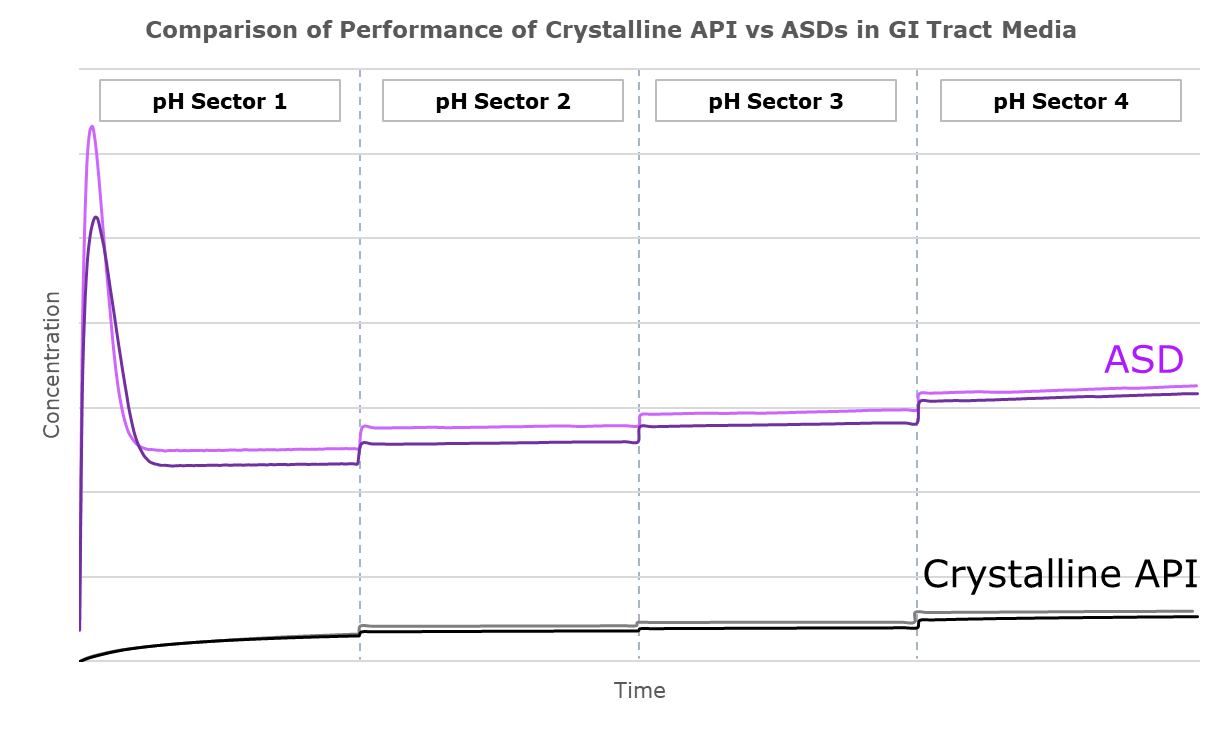
How can early formulation ASD studies improve bioavailability?

A customer came to Veranova with the request to perform early formulation screening on a brick-dust API, with the aim to improve the oral bioavailability and prepare a suitable formulation for Phase 1 clinical trials.

The team performed an early assessment of performance via evaluation of chemical and physicochemical properties, using Veranova’s precandidate selection package, following our Enabling Formulation workflow. Based on the compound properties (presence/absence of ionizable groups, Log P, melting point, required dose) and the initial screening results, Amorphous Solid Dispersion (ASD) was selected as the most suitable formulation route for this compound.

The most suitable polymer was selected and a stable ASD with optimized drug loading was formed. The ASD was scaled up using our in-house spray drying capabilities. The final formulation showed significant enhancement in supersaturation and dissolution profile, therefore was advanced into PK studies.

This project was a good example of our technology agnostic, data led approach to enabling formulation. The formulation route selected was tailored to the API’s unique properties, demonstrating feasibility of a compound specific preclinical method to enhance bioavailability and progress an API on to the next stages of development.

Performance-of-APIs-in-GI-Tract-Media

Are there alternatives to supercritical fluid chromatography (SFC)?

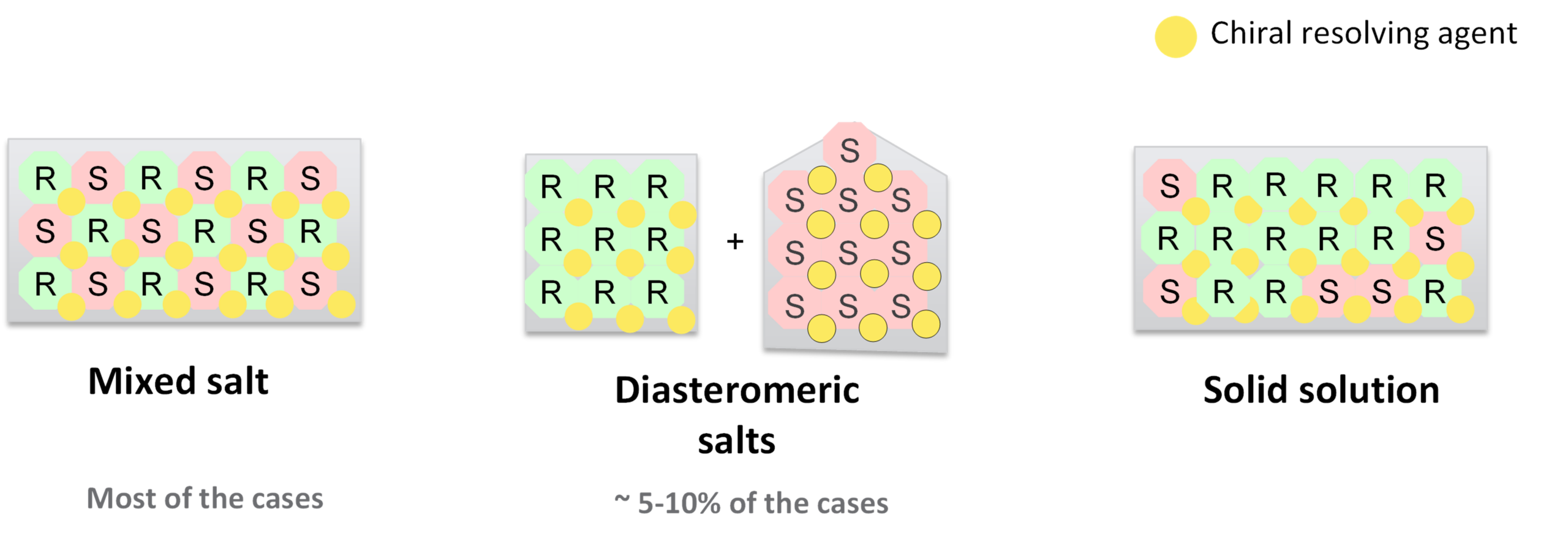
A client was seeking to improve the synthesis of an API intermediate. Their existing route required removing an unwanted diastereomer using supercritical fluid chromatography (SFC), an effective but expensive and time‑consuming purification step.

Our aim was to redesign the purification/crystallization strategy by identifying where in the route a chiral salt formation could be introduced to deliver selective chiral resolution without relying on SFC.

We evaluated the full synthetic route to pinpoint the optimal stage for introducing a diastereomeric salt formation step.

  • A wide panel of chiral acids was screened under diverse conditions to assess salt‑forming potential.
  • Two successful hits were identified. Both candidates displayed strong selectivity across solid and liquid phases—promising foundations for efficient resolution.
  • We chose the preferred salt former by assessing solid‑state stability, resolution performance and maximum isolated yield

The client received a viable, scalable alternative to costly SFC purification for their API intermediate. The work was delivered under tight timelines, enabling the option to incorporate the new resolution route into their upcoming GMP batch.

structures of different salt

Veranova is your next great decision

Discover new ways to advance your science with Veranova.

Contact us